
One Strategy Doesn't Fit the Whole Room: Why Your Offering Moment Needs to Flex
Same Words, Different Room
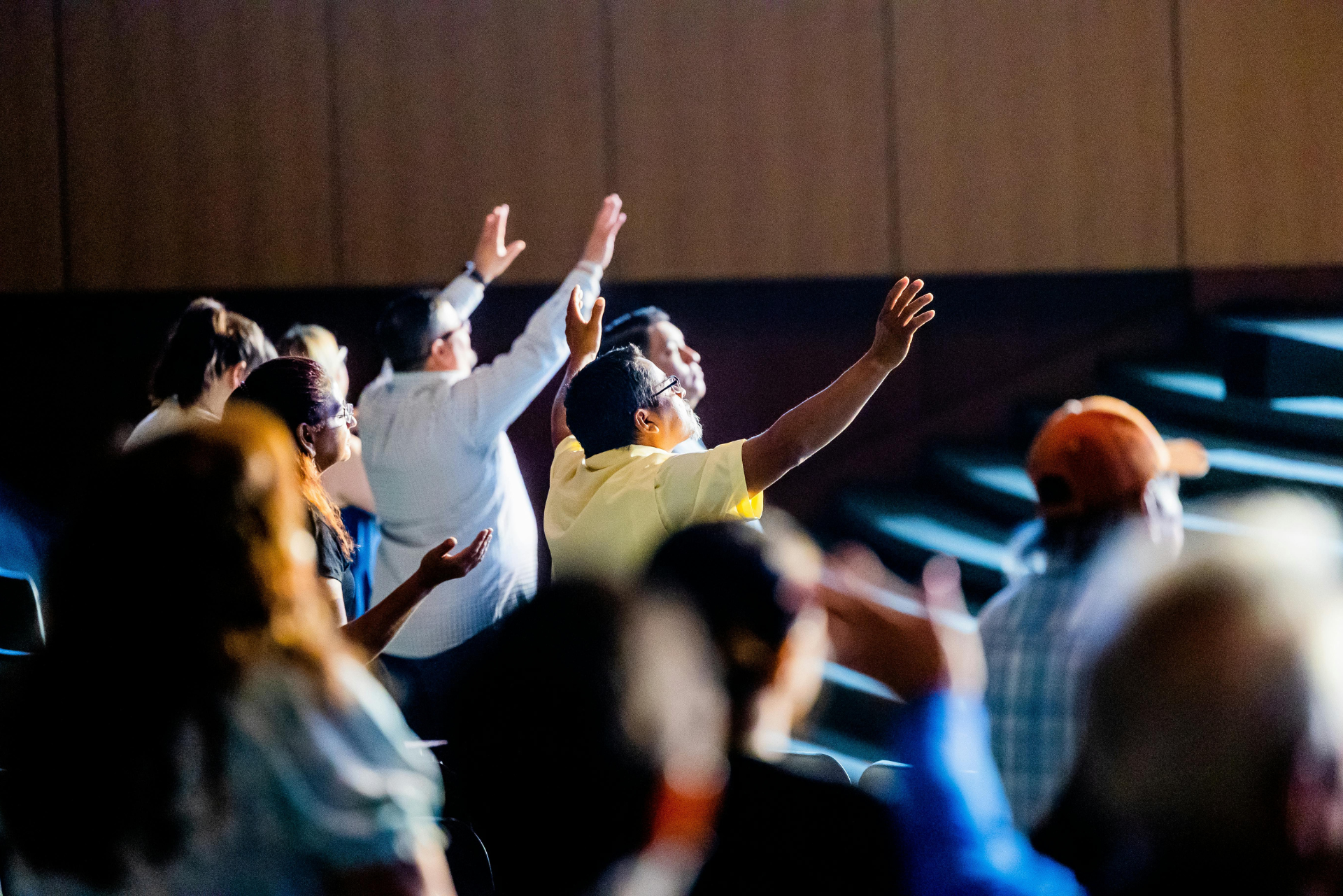
Picture your congregation this weekend. A member who's given faithfully for fifteen years. A guest who walked in for the first time, unsure what to expect. A family watching from their kitchen table on the livestream. A young couple who has never given to a church in their life.
Now picture the offering moment most churches give all four of them: the same script, the same tone, the same thirty seconds, every week; week after week
It's not that the words are wrong. It's that one strategy can't speak to four, or more, completely different relationships with your church at the same time.
Why This Matters More Than It Seems
A longtime giver doesn't need to be convinced that giving matters. They need to be reminded their consistency is building something real.
A first-time guest doesn't need a pitch. They need to feel welcomed into a moment they've never experienced before, without pressure attached to it.
An online attender doesn't need to be forgotten until someone remembers to mention "the link is somewhere in the description." They need to be told, clearly, that this moment includes them too.
A first-time giver crossing the threshold from spectator to participant is doing something spiritually significant, whether or not anyone in the room notices.
Four different moments. Four different needs. One generic script covering all of them is why so many offering moments fall flat even in churches full of genuinely generous people.
What a Flexible Approach Looks Like
This doesn't mean writing four separate services. It means having a small set of frameworks ready, and choosing the right one for the weekend in front of you.
A membership class weekend or a high-attendance Sunday like Easter calls for a guest-friendly framework, one that removes pressure and simply extends an invitation. A livestreamed service calls for a moment that speaks directly to the online room, not just the physical one. A weekend after a baptism or a ministry milestone calls for a short, specific story about impact, not a general appeal.
The frameworks change. The theology underneath them doesn't.
Twelve Frameworks, Built for the Room You Actually Have
The Weekend Offering Moment Playbook gives you twelve of these frameworks, each mapped to a specific context: first-time givers, online attenders, guest-heavy weekends, transition seasons, year-end giving, and more. Each one comes with the theology behind it, a ready-to-use script, and a pro tip for making it land well.
You don't need to use all twelve right away. Pick the two or three that match the room you'll actually be standing in front of over the next few weekends.
Download The Weekend Offering Moment Playbook →
Know Your Room Before You Speak to It
Before you decide which frameworks to use, it helps to know where your church's generosity culture actually stands, not just this weekend, but across the year. The Generosity HealthScore gives you a free, personalized read on that in about 10 minutes.
Take the free Generosity HealthScore →
Your congregation isn't one audience. Your offering moment shouldn't talk to them like it is.